Group trips / A better plan starts here
Who needs a seat on the work Christmas party bus?
Thirty-six people accept the dinner invitation. Some will come straight from home. Others only want a lift back. How many seats should the office book?
Find the bus for your plans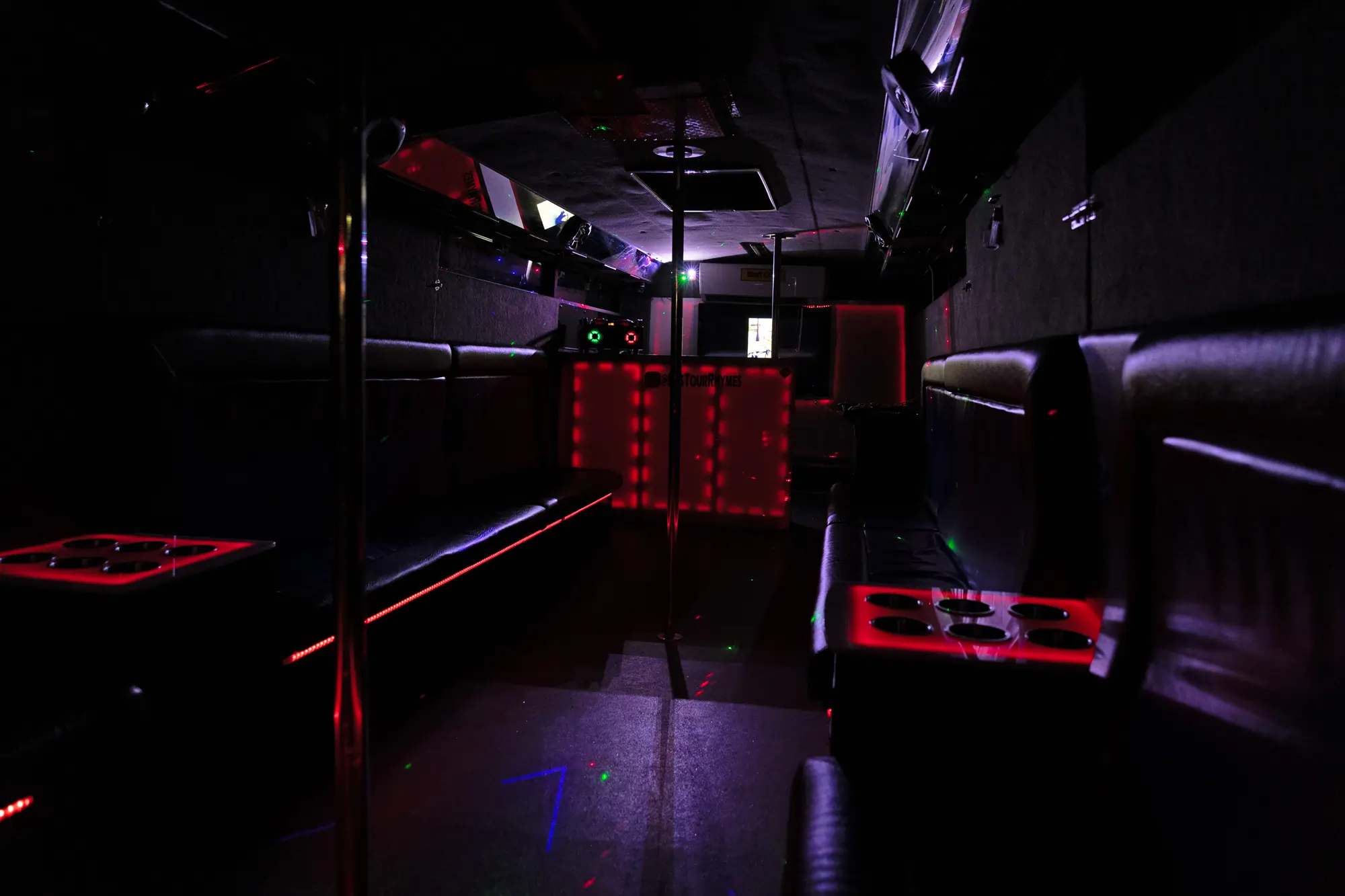
The quick answer
Give staff two transport choices on the RSVP: where they’ll board on the way to the party, and where they’ll get off on the way back. Include an independent travel option for each direction. Add up the riders who will be on board together and use the busiest leg to request a vehicle.
- Offer a return-only seat to staff coming straight to dinner.
- Count everyone already on board when the bus reaches a second office.
- Check staff can actually leave the proposed return stop after hours.
In this guide
Two questions to add to the dinner invitation
Before sending the RSVP, pick stops you could realistically offer and label them as proposed. Include a rough departure window for each direction. Someone who can catch a bus home at 9 pm might give you a different answer for 11 pm. These two questions can sit directly below the meal choice.
- How will you get to dinner? Choose one: board at the city office, board at the second office, or meet us at the venue.
- How will you leave dinner? Choose one: ride back to the city office, ride back to the second office, or organise your own trip.
- If partners are invited, collect an answer for each person. Give anyone who needs to discuss boarding or walking distance a private contact.
Work out the busiest leg
Suppose 36 people are coming to dinner. On the way out, 18 board at the city office, 10 join at the second office and eight go straight to the venue. After the second pickup, 28 people are on board. A 30-seat bus would cover that outward journey.
Now look at the return column. Of the original 28 bus riders, five have arranged their own way home. All eight who came straight to dinner want a lift back. That puts 31 people outside the venue waiting to board. Even if half get off at the first office, all 31 need a seat when the bus leaves dinner.
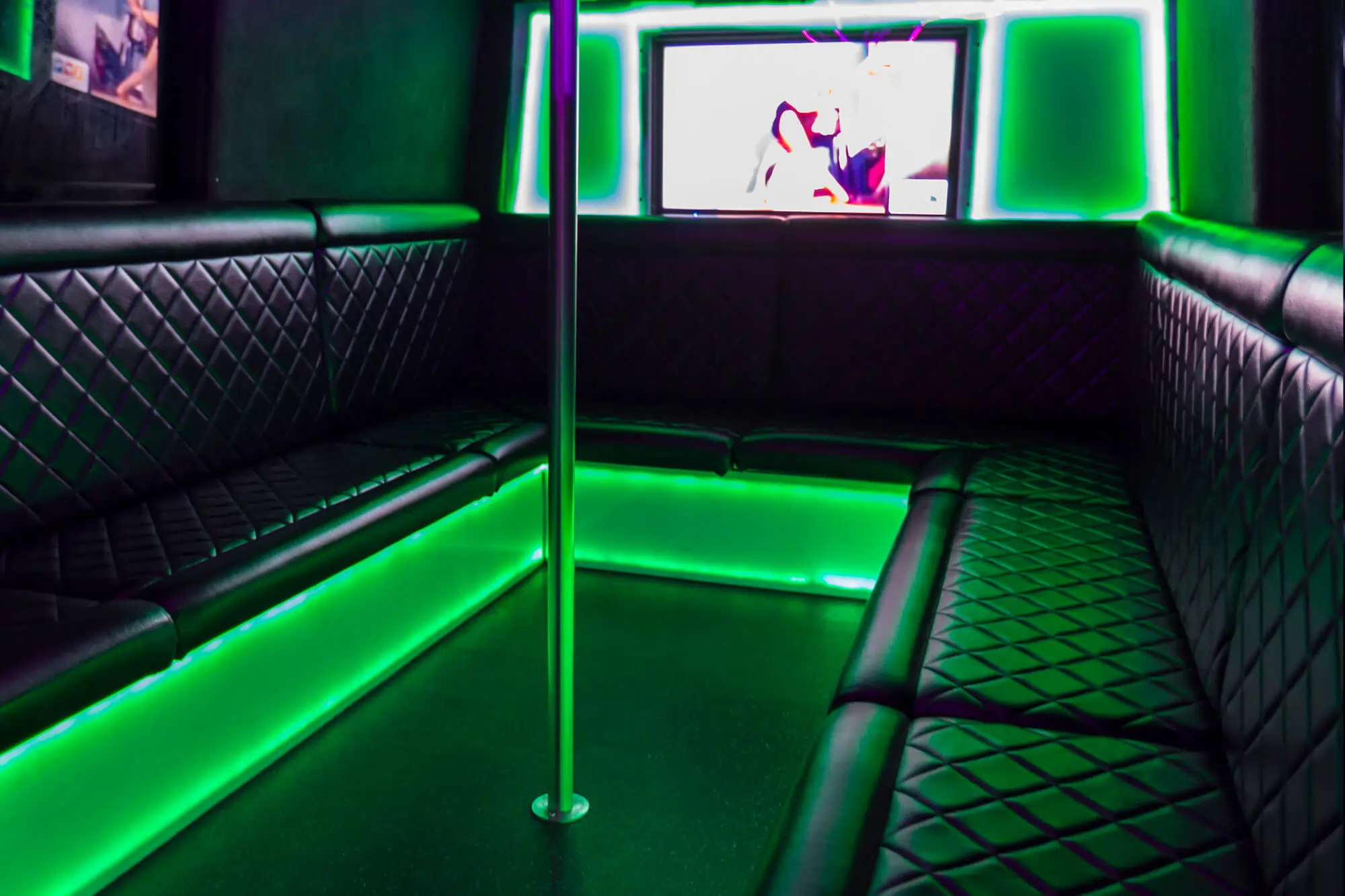
If you want one vehicle for both legs, you could ask about The Night Rider, which seats 38. If the office only wants to fund the outward trip, tell staff before they make their travel choices and issue a revised invitation. An event RSVP on its own would have hidden both the spare seats on the way out and the extra rider on the way back.
Will the office work as a drop-off after dinner?
Walk through the return as someone getting off the bus. If a colleague leaves their car in the office basement, can they reach it when reception is closed? If they are counting on a train, check the service for the event date against the proposed drop-off time. Ask staff whether a shared return point near onward transport would suit them better.
For two office pickups, give the operator both street addresses, the numbers boarding at each and the time dinner starts. Ask them to check boarding points and the order of stops. If a detour would make the second group late, compare a shared outward meeting point with separate pickups. Check how the first group would actually get to that meeting point before you choose.
Give the person approving the spend a usable brief
Send the operator the event date, venue entrance, arrival deadline and planned finish. Put passenger counts beside each proposed stop. In this example, write “18 board at office A, 10 at office B, 28 arrive at dinner. On the return, 31 leave dinner together”. Add the return split once staff have chosen their stops.
Ask for a written quote covering those movements. Give accounts the quoted itinerary alongside the price so they can see whether it covers the ride back. If your workplace requires a purchase order, settle who will raise it and supply the business name for the invoice. Ask when changes to passenger numbers or stops need to be confirmed.
Send each rider their own two-line travel plan
Once the operator confirms the trip, send each colleague the legs they selected. For a return-only rider, the message could read “Outward: meet us at dinner. Return: meet Jo at [venue boarding point] by [time] for the bus to [confirmed stop].” Include a contact number for changes and name someone to count the group if the organiser is leaving early.
Keep a named list for each departure. If a colleague swaps from independent travel to the return bus, check the revised headcount against confirmed seats before promising the lift. A change to the dinner guest list can leave the transport list exactly as it was.
Before you book
Your questions, answered.
What if a colleague is still unsure about the ride back?
Keep them in a separate undecided count. For example, tell the operator you have 29 confirmed return riders and three undecided. Ask which vehicle could cover 32 and when you need final numbers, then give those colleagues a reply date.
Can our return bus drop us somewhere other than the morning pickup?
You can request a different end point. Give the operator the proposed address and time, and check access and price. Tell staff the confirmed destination before they decide where to park or how to get home.
Do we need to give everyone the full passenger list?
A rider needs their own meeting point, time, destination and trip contact. Give the named boarding lead the list for their departure so they can check people on without circulating colleagues’ travel details to the whole office.
Written by the Bus Tour Rhymes team using our fleet and service information. Your final route, inclusions and vehicle are confirmed with your booking.
The next stop is yours
Good plans.
Great bus.
Three quick answers. Find a ride that fits your crew.
Prefer to browse? Explore the fleet →